The Daily Reset: Navigating Hidden Steps in Evening Routines
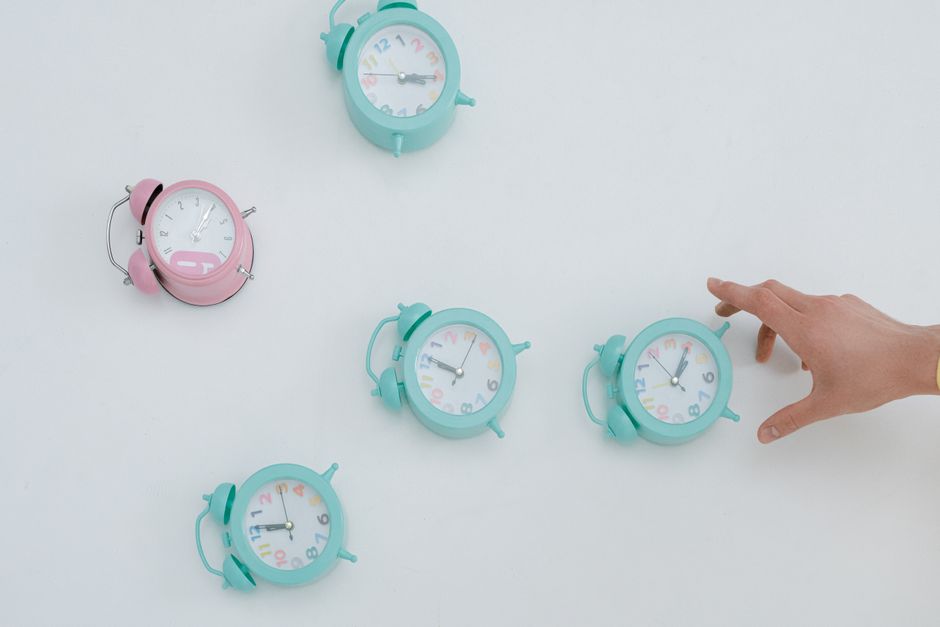
As the clock inches toward 8 PM, the kitchen counter is cluttered with remnants of the day: a half-finished cup of coffee, a closed planner, and a crumpled to-do list. The remote worker, exhausted from a late finish, stands there contemplating the evening routine that feels increasingly elusive. The intention to reset for the next day is overshadowed by the chaos of unplanned tasks, and the thought of packing tomorrow's bag or laying out clothes for the morning seems daunting. The familiar friction point emerges—skipping the weather check until it’s too late, leading to a scramble for appropriate attire at the last minute.
In this moment, the planner sits unopened on the table, a silent witness to the missed checks that could simplify the evening. Without a clear view of what needs to be done, the worker faces a cascade of decisions that pile up, creating unnecessary stress. Setting the alarm across the room becomes an afterthought rather than a proactive step, and the simple act of placing the planner in a visible spot goes undone. Each small habit that could ease the transition into the next day slips through the cracks, leaving the worker to navigate a maze of hidden steps when the evening should be a time for winding down.
The First Step That Gets Skipped
As the clock strikes 7:30 PM, the remote worker stands in the kitchen, staring at the cluttered counter. Dishes are piled high, and the remnants of a hastily prepared lunch linger, adding to the chaos. The planner sits unopened, its pages blank, leaving the evening routine undefined and the next day’s preparations in limbo.
Without the planner’s guidance, the worker feels a familiar sense of overwhelm. The first step toward a smooth daily reset—checking the weather—gets skipped entirely. Instead of glancing at the planner to see what clothes are needed for the next day, the worker allows the moment to slip by, thinking they’ll remember later. This small oversight leads to a scramble at 7:45 AM, when the wrong outfit is chosen, creating unnecessary stress.
To counteract this friction, a simple adjustment can be made: placing the planner in a visible spot on the kitchen counter, right next to the coffee maker. This way, it becomes a natural part of the evening routine, prompting the worker to open it and check the weather before packing the bag for the next day. By incorporating this tiny utility move, the daily reset can transform from a chaotic scramble into a more manageable sequence, allowing for a smoother transition into the evening.
A Mistimed Weather Check
After a long day of remote work, the kitchen counter is cluttered with coffee mugs and half-finished meals, leaving little room for the evening routine. As the clock ticks toward bedtime, the remote worker glances at the planner, but the thought of checking the weather slips away. They assume it will be clear for the next day, thinking they’ll remember to check in the morning. This oversight sets the stage for a frantic scramble when the alarm goes off at 7:00 AM.
With only minutes to spare, the worker rushes to pick out clothes, only to realize that the forecast had predicted rain. The wrong outfit is chosen, leading to a last-minute change that feels chaotic and stressful. To avoid this friction in the future, placing the planner in a more prominent spot—like next to the coffee maker—could serve as a visual cue. This simple adjustment would remind them to check the weather before packing their bag, transforming the evening routine from a haphazard rush into a more deliberate and manageable process. The crucial moment of checking the weather shouldn’t be an afterthought, but rather a key part of preparing for the next day. What Changes Next: The Ripple Effect Waking up late can quickly unravel the best-laid plans. As the alarm blares at 7:00 AM, the remote worker leaps out of bed, realizing they’ve overslept. The first instinct is to grab clothes from the floor—anything that seems presentable. In the rush, the planner remains closed on the kitchen counter, a forgotten reminder of the evening’s missed checks. Without a clear outfit plan, they throw on a mismatched shirt and pants, unaware of the day’s weather.
This hasty decision has immediate consequences: a virtual meeting with the team is set for 8:30 AM, and the worker, dressed for a sunny day, is unprepared for the rain that had been forecasted. As they log on, their colleagues notice the inappropriate attire, leading to awkward comments and a loss of confidence. The worker feels out of place and unfocused, struggling to engage in discussions while worrying about their appearance.
Skipping the evening routine check not only affects the clothing choice but also sets a tone of disarray for the entire morning. With the planner left unopened, the worker misses out on reviewing critical tasks for the day, resulting in a missed deadline for a project update. The ripple effect of one small oversight—neglecting to check the weather and prepare the night before—turns into a cascade of stress and unpreparedness, highlighting how interconnected these daily decisions truly are.
This same friction shows up again in Daily Routines Real Life, especially when the day tightens unexpectedly.
A Better Order for the Same Five Minutes
Evening routines can spiral into chaos when a few steps are overlooked. After a long day, the kitchen counter becomes a cluttered catch-all, with the planner buried beneath a stack of mail and snack wrappers. This disarray makes it easy to skip the essential weather check or overlook setting the alarm, both of which can disrupt the next day’s flow. To simplify this process, start by placing the planner in a visible spot on the counter, ideally next to the coffee maker. This way, it becomes a natural part of the evening ritual, inviting you to open it and review the next day’s tasks.
Next, consider the alarm placement. Instead of leaving it on the bedside table, set it across the room. This small adjustment ensures that it’s not only heard but also seen first thing in the morning. When the alarm goes off, you’ll have to physically get out of bed to turn it off, which can help break the cycle of hitting snooze. Combine these two actions—checking the planner and setting the alarm—and you create a smoother transition from evening to morning.
By establishing this order, you reduce the friction points that often lead to a chaotic start. The planner, now prominently displayed, serves as a reminder to check the weather and prepare accordingly. This simple rearrangement of objects and actions can transform a frazzled evening into a more structured routine, setting the stage for a more productive day ahead.
Recognizing Repeatable Patterns in Evening Routines
If this pattern keeps repeating, Everyday Life In The extends the idea without leaving the niche.
At the end of a long weekday, the kitchen counter often becomes a cluttered catch-all for bags, keys, and the remnants of a rushed lunch. Amid this chaos, the evening routine can easily slip into disarray. One common oversight is skipping the weather check, which can lead to a scramble for appropriate clothing in the morning. When the alarm rings, and the cold air hits, realizing you’ve chosen a lightweight jacket can set a frantic tone for the day.
To counter this, establish a consistent evening routine that includes a quick review of the next day’s essentials. Lay out your outfit the night before, placing it on a chair in your bedroom or hanging it on the back of the door. This simple action not only saves time but also provides a visual cue that reminds you to check the weather before choosing your clothes. If it’s raining, you’ll remember to grab that umbrella instead of facing a soggy commute.
Another overlooked item is the planner, which often sits closed on the table, neglected until morning. Make it a habit to open it during your evening reset. Take a moment to jot down any appointments or tasks for the next day. This practice helps create a mental map of what to expect, reducing the likelihood of being caught off guard. By recognizing these patterns and incorporating small checks into your evening routine, you can transform a chaotic reset into a structured preparation for the day ahead.
As you navigate the end of a busy weekday, consider how often the weather check slips your mind until it’s too late. This missed step can lead to last-minute outfit changes and unnecessary frustration. To counter this, place your planner in a visible spot on the kitchen counter. Make it a habit to open it each evening, checking the forecast while you prepare your clothes for the next day. This small adjustment not only streamlines your evening routine but also ensures you’re equipped for whatever the weather brings.
By anchoring your evening tasks around visible cues, you create a more structured reset. Set your alarm across the room to encourage you to get up and engage with your environment. This simple act can help you kickstart your morning routine with intention, reducing the chances of chaos right from the start. Recognizing these friction points allows you to simplify your daily decisions, paving the way for more consistent habits.


